
Our Programme & Curriculum
Holistic development from 3 months to 5 years, grounded in love, Christian values and play-based learning.
Our programme in action
A short video shows what an ordinary day at Greenhill looks like, from free play on the track to the big muscles getting to work.
A day at Greenhill, with the focus on gross motor skills.
At Greenhill we believe the first five years lay the foundation for everything that follows. Our programme is deliberately kept small so that every child is seen, heard and known.
We follow the Department of Basic Education's National Curriculum Framework for children from birth to four. It organises learning around six Early Learning and Development Areas: Well-being, Identity and Belonging, Communication, Exploring Mathematics, Creativity, and Knowledge and Understanding of the World. Well-being is the core the other five rest on, because a child who feels safe and cared for is a child who can learn.
The framework does not prescribe activities. It gives us a way to plan purposefully and observe closely, so that play and learning are the same thing here.
Every age has its own rhythm
Children do not develop on a fixed schedule. Our groups follow broad phases, and within each one every child has room to progress in their own time.
Babies
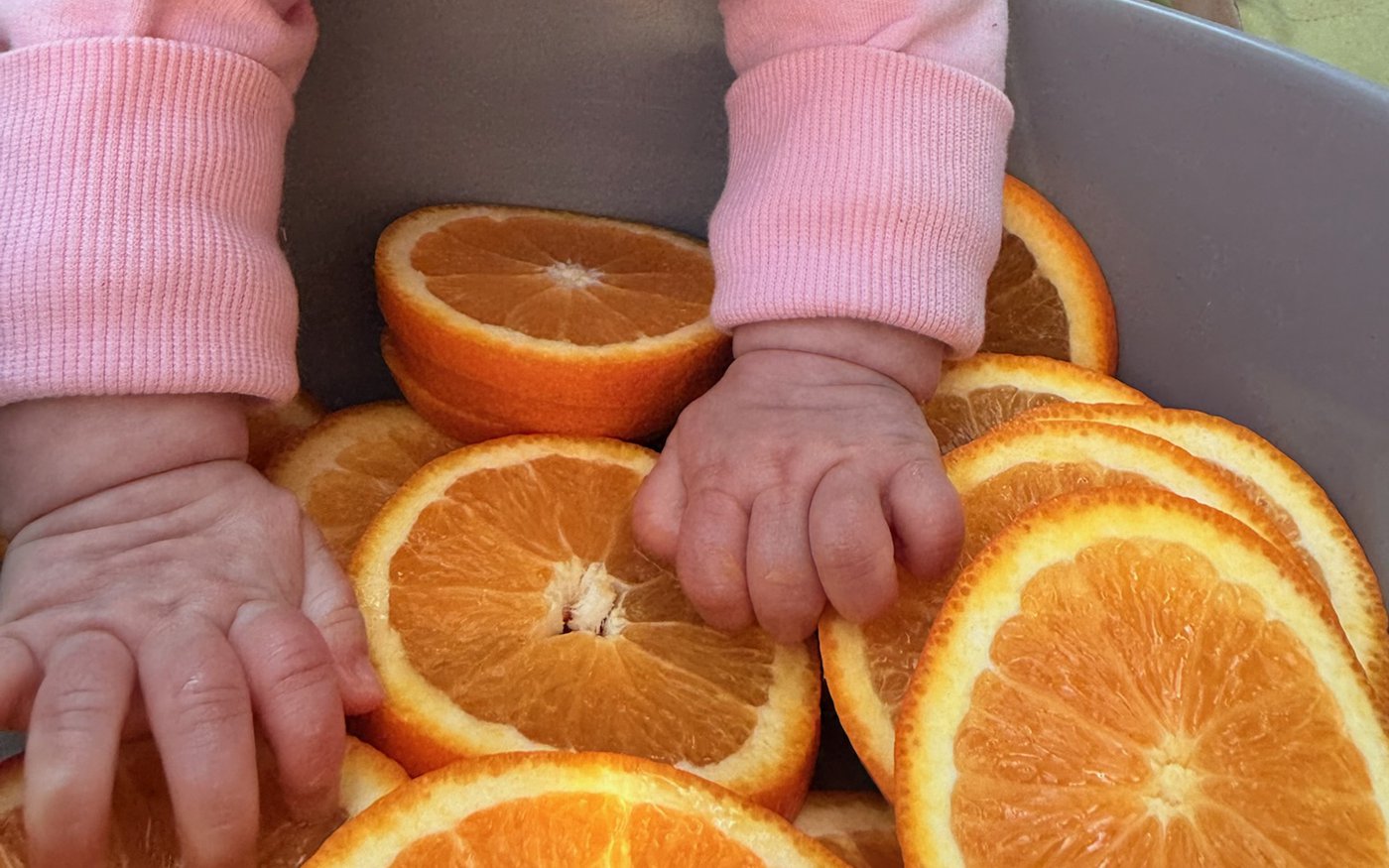
With babies everything starts with attachment. A baby whose hunger, discomfort and need for closeness are answered straight away builds trust, and that trust is the foundation for all the learning that follows. That is why our caregivers stay constant and familiar.
We talk with them all day: we call them by name, make eye contact and speak ordinary Afrikaans, not baby talk. Feeding, nappy changes and getting dressed all become opportunities to hear words. Song, rhyme and rhythm come every day.
Physically we work on the big muscles: tummy time, rolling, sitting, crawling and the first steps, with sturdy things to pull up on. Small hands get blocks to stack, containers to fill and empty, and later a thick wax crayon.
Sleep happens in our separate, air-conditioned sleep room, with Nanit monitors tracking breathing. We record growth in the Road to Health booklet.
Toddlers
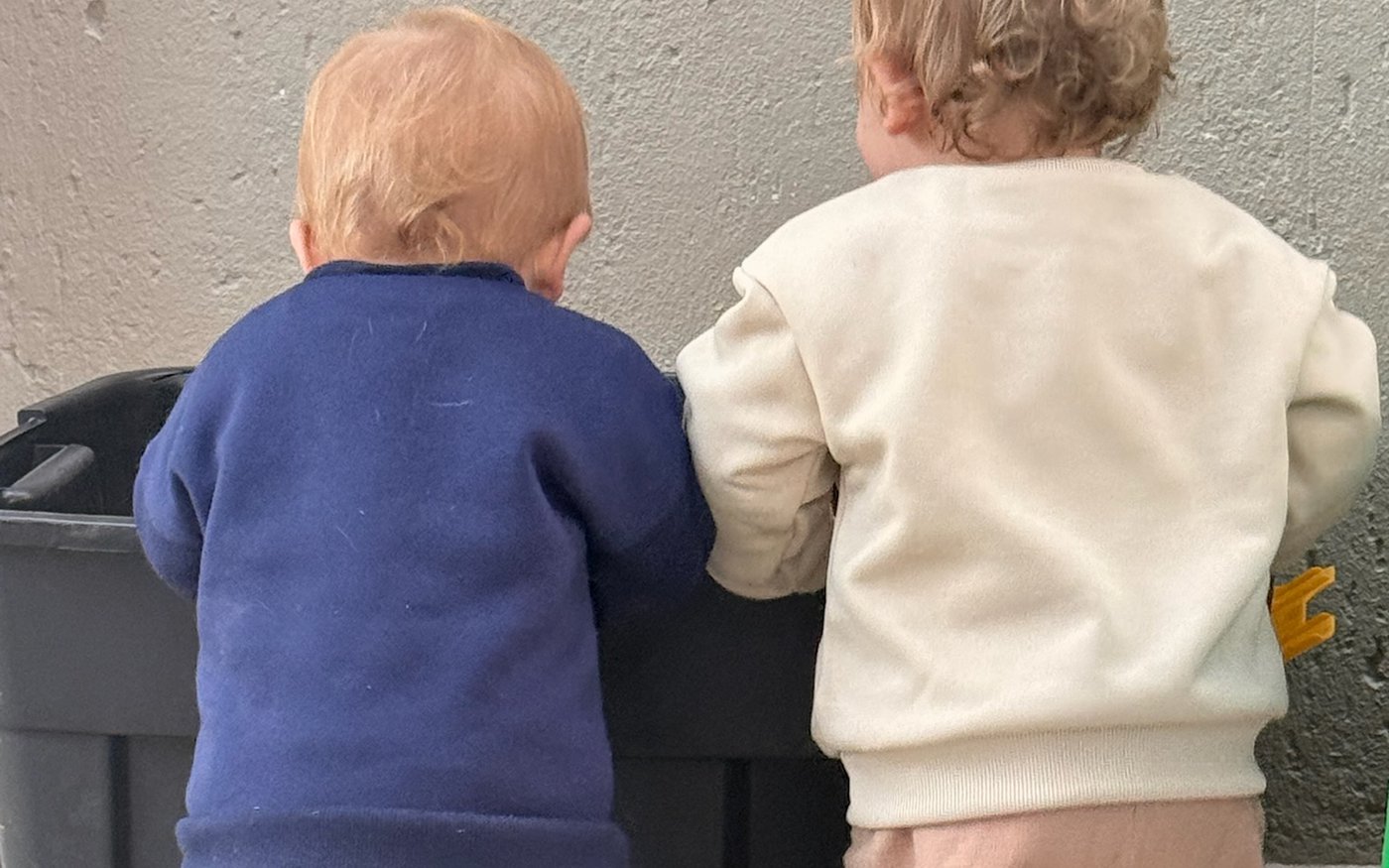
Toddlers want to investigate everything and have little sense of danger, and that is exactly as it should be. Our job is to let that curiosity run safely: the fenced area, the track, the sand and the climbing frame, with an adult close enough to catch.
Language explodes in this phase. We listen actively and build on what they say: if a child says “my ball”, we answer “do you want the ball?” We start with one instruction, then two, then three, and we genuinely ask about what they want to know. Stories, rhymes and conversation run through the day.
Independence is practised here. Toddlers want to dress themselves, pour for themselves, wash their own hands, and they get the time to do it slowly before they do it well. We keep the routine predictable so they know what comes next.
Fine motor skills get puzzles, beads, clay and the first scissors. Gross motor skills get balls, dancing and the whole outdoor area.
Preschoolers
Our oldest work longer at one thing, play together rather than alongside each other, and start choosing their own activities. We give them roles: leader, helper, the one who picks the story. Conflict in the group is not solved for them; we help them sort it out themselves.
Here we lay the foundations for reading and writing. That means sound games, clapping syllables, hearing rhyme, and recognising the first sound of a word. It also means a proper pencil grip, scissors on a line, and clay that makes fingers strong. The formal teaching of reading and writing begins in Grade 1; our job is to get everything ready for it.
Numbers work the same way: counting with real things in hand, sorting by size and colour, estimating, comparing, and recognising the first digits.
School readiness is more than letters and numbers, too. South African teachers name self-regulation and social skills first: can a child wait, listen, follow a three-part instruction, and dress and care for themselves? That is what we work on every day.
These are broad guidelines, not a checklist. The framework itself stresses that children are unique and develop at their own pace, with spurts and quiet spells. We observe, record and talk to you about it. There are no tests, marks or percentages.
What a day with us looks like
Children feel safe when they know what comes next. Scroll through our day, and see what a lesson looks like here.
Times may vary slightly per age group. Babies follow their own feeding and sleeping rhythm.
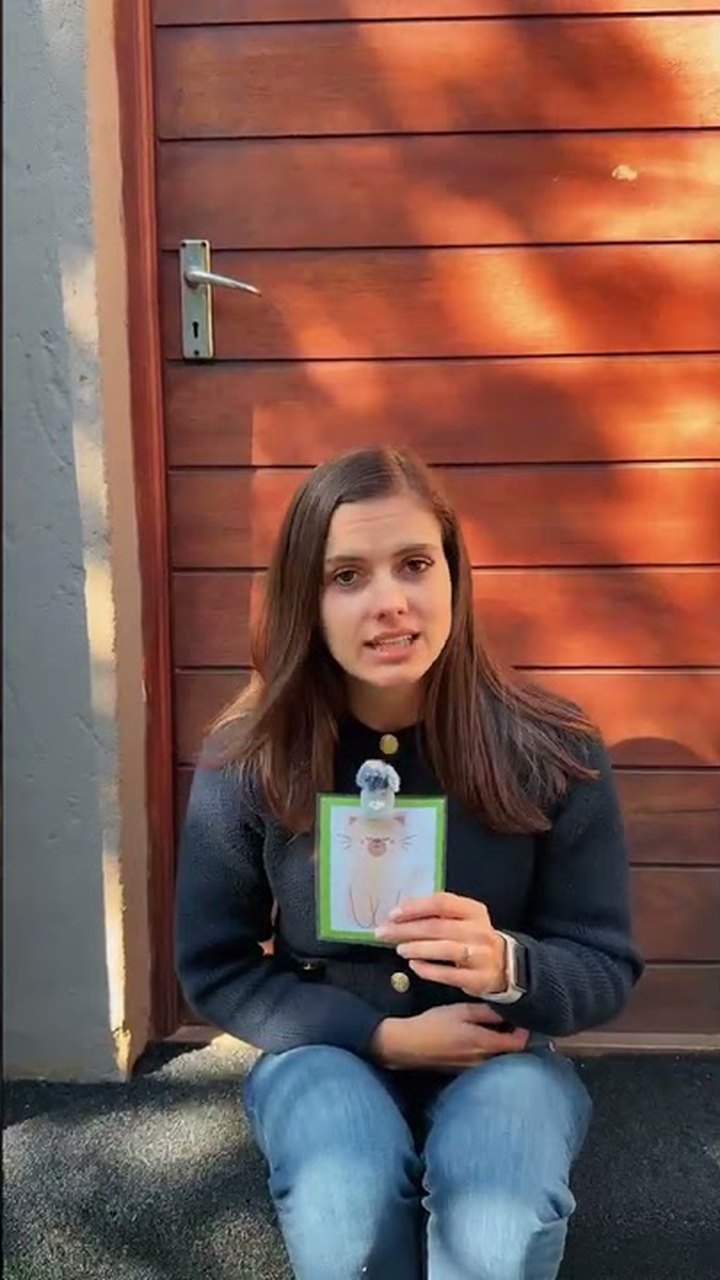
Little symbols as names
Why a small preschool?
With limited intake we know every child's name, personality and needs. Small groups mean more individual attention, teachers who quickly see where each child's next step lies, and a close community in which families get to know one another. This is the heart of the "boutique" experience at Greenhill.
See also: Meet the TeamFacilitiesFees & Enrolment
Come and see our programme in action
Arrange a visit and experience the warmth and care of Greenhill for yourself.
Book a visit